First post of 2026 and January is nearly done, but photography wise, not a deal to report, mainly due to Mother Nature! The UK is three storms in, we’ve had snow, sun and torrents of rain, but at least the hose pipe ban has been lifted….


This retirement lark still feels a little odd at times, mainly because after logging on to a PC at work in a morning for the last 35 years or so, and knowing you’ve jobs to do, you can feel a bit lost. But at least my “office” has become my study and had a coat of paint and some new flooring, the dog is getting walked whilst its still daylight and further. This state of mind is not greatly helped by the alarm still gong off at the same time, as the wife is still logging on for a few more years.
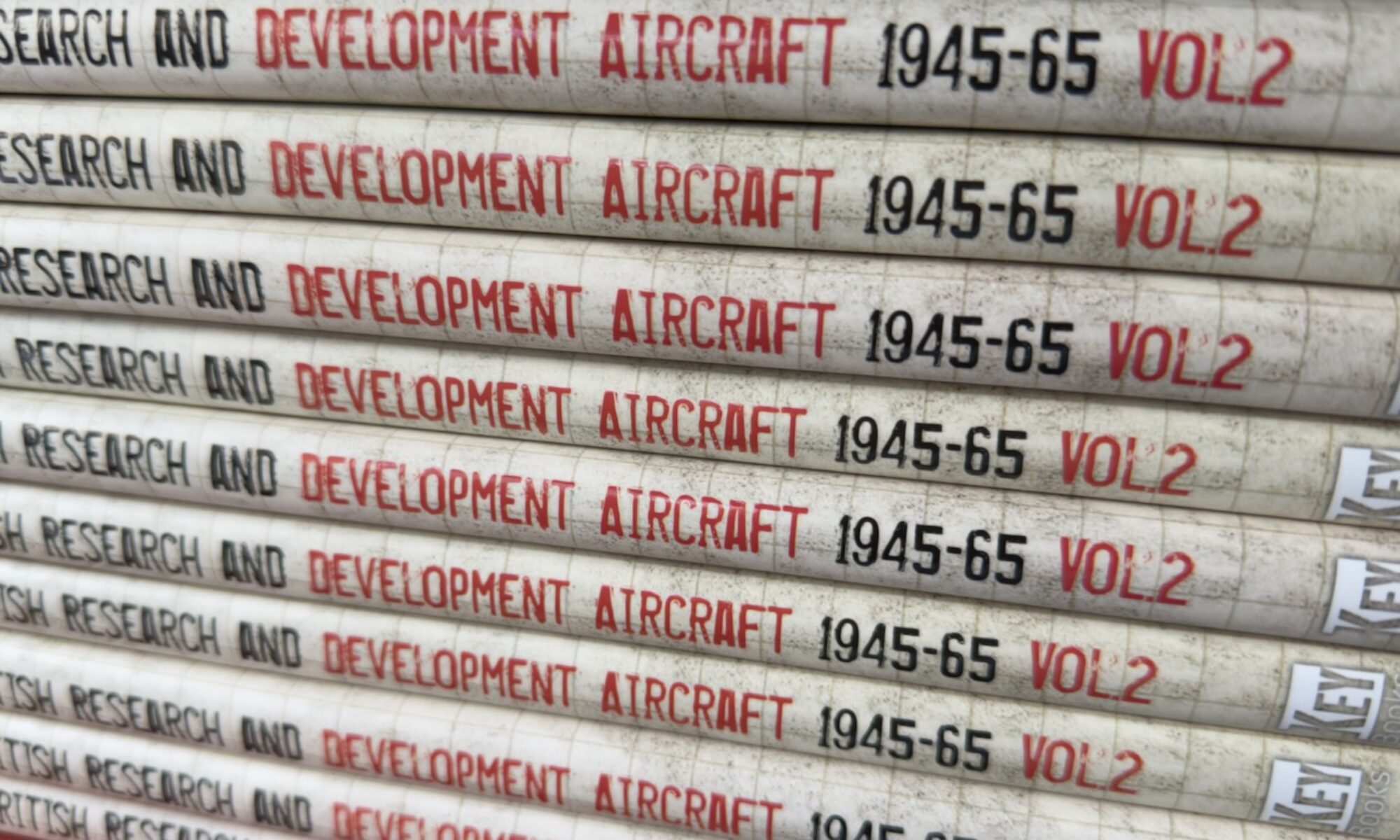
On the book front, I’ve been reduced in the January Sales, which probably says a lot, but its allowed me to buy cheap copies that I’ll take to give to some the museums whose aircraft feature.
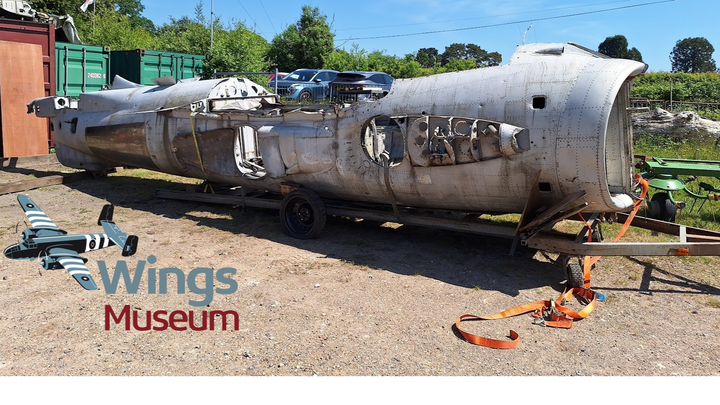
One museum in particular features in both volumes. The Wings Museum had just started work on renovating a Hawker-Siddeley Kestrel when Volume 1 was being assembled. The Kestrel is the immediate predecessor to the Harrier, so a project close to my heart, as I’ve first hand knowledge of this amazing aircraft. Only 8 Kestrels were built, just enough to form a dedicated trials unit funded by the UK, USA and West Germany, all wanting to find out how vertical take off and landing could be applied to the modern battlefield; the rest they say is history. When the trials unit disbanded, one aircraft had already been written off after an accident, the UK kept two, one of which later crashed, the USA took six aircraft back across the Atlantic for more trials to work out how they wanted to use a production model, and some were assigned to NASA for scientific flying duties. The West Germans were more interested in how V/STOL could be used and the flying characteristics, as at the time they were developing their own aircraft, the VFW 191B, but this was cancelled in 1971 and only the RAF Harriers were eventually permanently stationed in Germany.
Fast forward fifty-odd years and surprisingly, the remaining six machines are still around in various forms, as is the wing from the first to be written off! The RAF Museum Midlands fully restored XS695 (which during a previous restoration, used the wing from the first accident loss, XS696), and this at present is housed at RAF Cosford, four others sit in museums on the USA.
The Wings Museum managed to acquire XS694 from America and are a good way into restoring it to exhibition standard, with the ultimate aim of the aircraft becoming a prime exhibit in a new museum at Dunsfold, the birth place of every P.1127, Kestrel and UK Harrier; it’s going to be a long job! The airframe spent some years as part of a paintball range, so as you might expect, is looking the worse for wear. The RAF Museum kindly donated their excess parts once their renovation had been completed, especially the main undercarriage components, but the people at Wings will still need to shape a deal of the aircraft panels from scratch to replace those lost or corroded.
Longer term and to finish the project, they need to buy the missing components to finish work on the cockpit, the assorted gauges and dials to display air speed, altitude, fuel levels, etc, plus a host of other spares they can’t replicate, and they need some help.
Please donate at the Wings Museum GofundMe page.
https://www.gofundme.com/f/hawker-kestrel-xs694-restoration-wings-museum