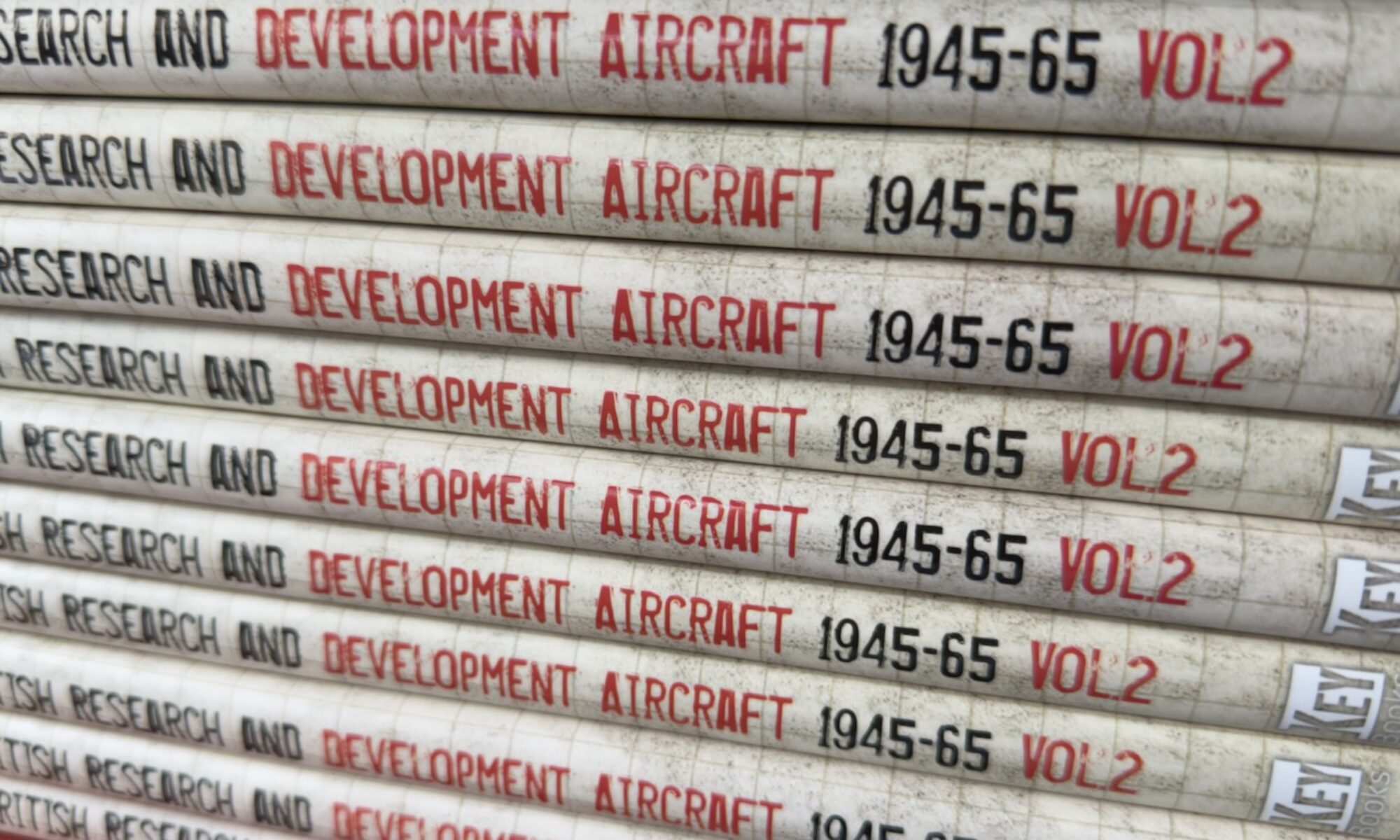
Vol.2 Is done! The text and my photos, along with those scanned from Key Publishing’s extensive archive will wing their way to India this week, and I suspect at some point in the middle of August, there will be a very loud thump on my doorstep, as a box with my author’s copies arrives.
If you can be happy, proud and sad all at the same time, that’s me. Happy and proud, obviously because it’s finally going to print and having seen the layout, it looks better than Vol.1. The text is somehow more polished as well I think, it “reads” better if that makes sense, though after vastly more edits before the copy editor got hold of it than its predecessor, I suppose it should. The cover looks drastically different to Vol.1 though. Im not sure if this is Key’s “new look” or what, but let’s say it’s a little less formal….you’ll soon see!
Sad, because that’s it, there is no Vol.3 to start on or complete. I set the end year for the book(s) as 1965 because basically after that point, the oft called “Golden Age” was over and the number of aircraft built solely for research dwindled to virtually zero. I suppose until 1986 when the BAe EAP technology demonstrator appeared which lead to the Typhoon. All being well, the next one will again be a technology demonstrator, this time for GCAP / Tempest in a couple of years time, providing HMG keeps throwing money at it. IMHO, they would be stupid not to , especially now the Germans, or rather Airbus have told Dassault and the French they can stuff the similar beast they were working on after Dassault spat the dummy as usual. Both the Italians and the Japanese who partner the UK/BAe on Tempest would not be best pleased either.
As I’ve previously mentioned, I had started something else, but the research would be too hard/expensive, there’s little to nothing to take photos of, so it would end up being to be a bit wordy as well. Plus, although the subject fascinates me, I already have an anorak, or two.
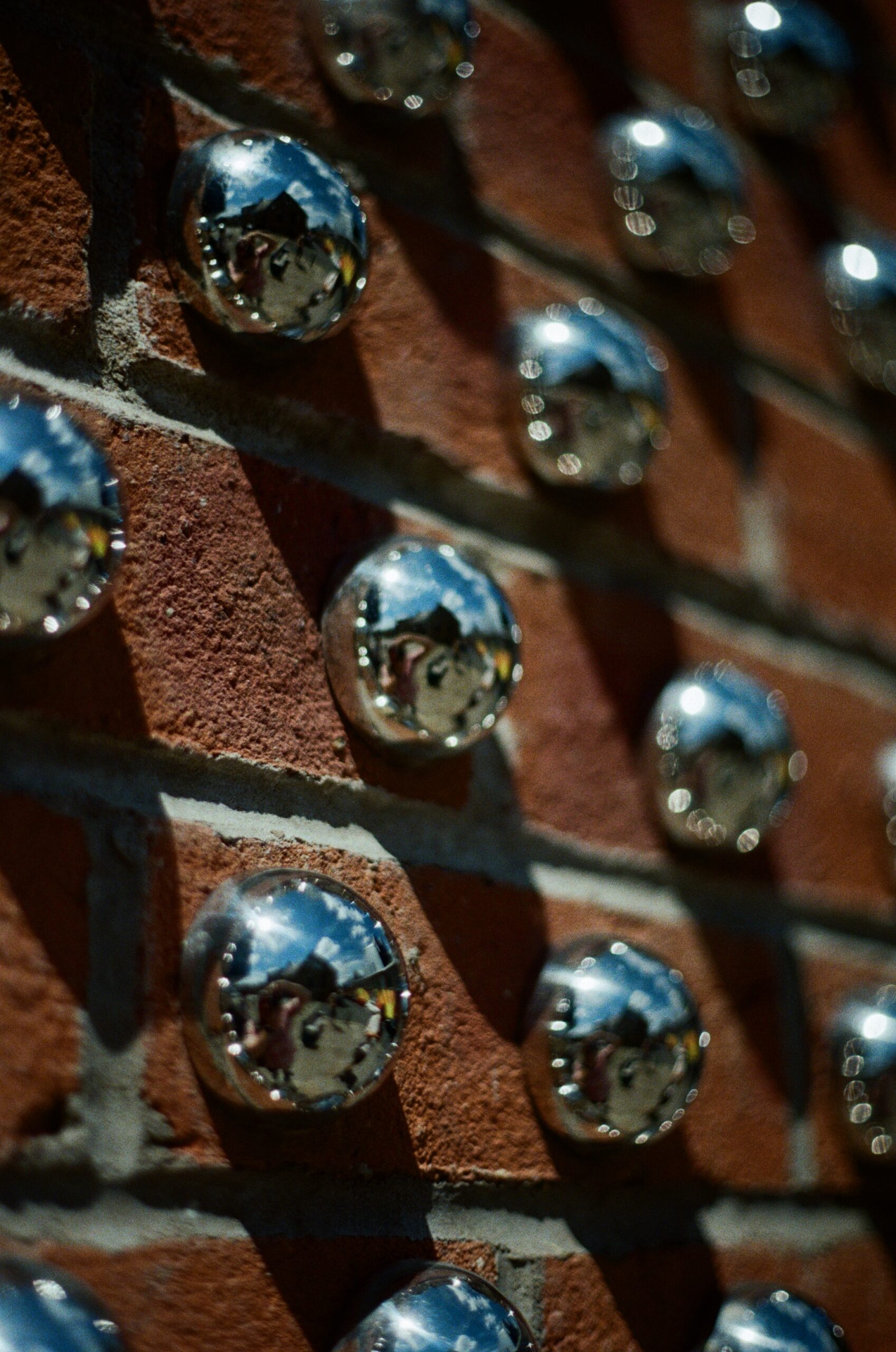
Photography wise, the scans from the roll of Kodak Ultramax 400 that was provided as part of the Analog Wonderland Photowalk last month, have arrived back. All are in focus, which seeing as the Yashica FX-D I used is manual focus is very good news, but I think the metering is a tad out, they were all marginally dark, maybe 1/2 a stop, so I’ll put another roll through, set the exposure compensation accordingly and see what comes out. Electronics get old as well you see,

If anyone has used Vinted, there’s a lot more on there than just clothes etc, and they’re a bit easier to deal with when you’re selling than eBay these days as well. Trouble is, whoever writes their SQL code for searching for things, needs to go take a look at the results that come back, and ask themselves why for instance, a Fujica camera appears when someone is searching for Yashica? I very much doubt the select query has *ca in, but someone got a sale out of it anyway.
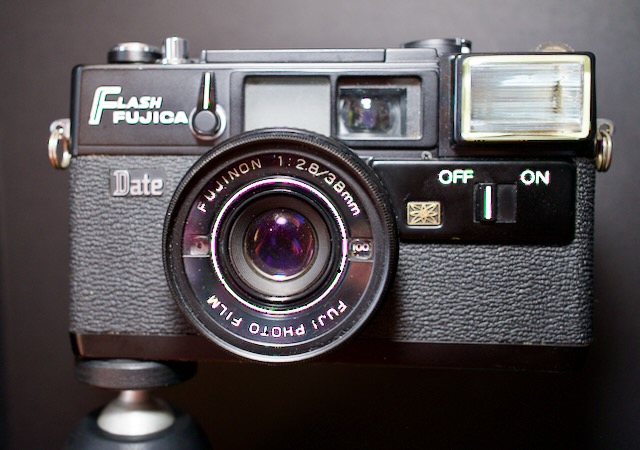
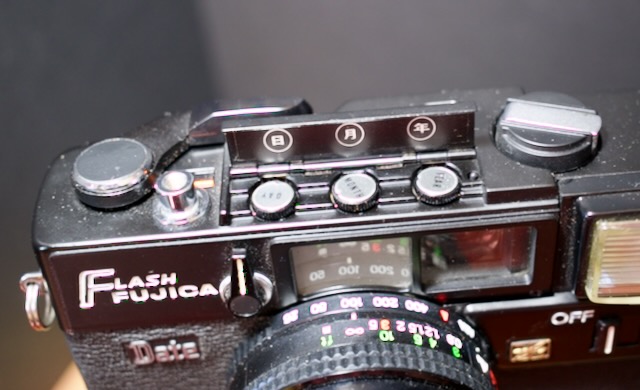
Who remembers cameras with the ability to “stamp” the date on the film when you took a photograph? A few manufacturers released versions of popular cameras with this on, Olympus did an OM10 QD, for Quartz Date, while most of the big players like Canon and Nikon made dedicated film doors (aka backs) you could fit on some of their SLRs in place of the standard version, and the option existed on some 35mm compacts as well. Needless to say, I am now the owner of a Flash Fujica Date, a 35mm compact which dates (sorry) from about 1975. However, there’s a couple of caveats; firstly the flash doesn’t actually flash, which is no big deal, but the switches for it definitely work as their on/off state can prevent you taking a shot and secondly, I don’t think the date stamping bit works either. Certainly you don’t get anything date wise appearing in the viewfinder, which is supposed to happen when you try setting the little control dials. But judging by one page I’ve seen on the net, many of these camera’s won’t go beyond a certain year, oddly, stopping at 2009 is popular for some reason.
Other than that, the lens is clear, the shutter fires and the speed seems to change according to light and what the four position zone focus lens is set to. There’s no obscure out of production batteries to try and work around, a simple pair of AA’s is all it needs and the light seals are all on the film door, so were easy to replace. I did have to superglue a strip of plastic card to the battery door catch though, or it wouldn’t have taken much to see the AA’s perform an unrequested command eject at some point. Next step, run a film through it and see if it does actually work.
With the unexpected demise of my Nikon FG, the lenses for it were redundant and have already sold on eBay. The camera body itself will likely go for recycling, just not worth the effort to fix I’m afraid. In consolation (ha), I’ve another FX-D coming, with the motor drive unit this time, though whether that stays around depends upon how loud it is; the last one wasn’t…hmm, subtle. Maybe a bit of a gear mechanism clean and a spot of light lubrication this time. Assuming the FX-D body works, I still have a set of seals and the skin will be replaced in the now customary fashion, but that one will go, I like the orange one I’ve just restored
.