After a weekend spent looking at all sorts of reviews and trying to balance those against experience and knowledge, as well as a bit of soul searching I suppose, sometimes you just have to go with your gut; I am now Nikon-less.
I knew myself well enough to know that the Zf would end up sat in a bag (yes, one of many before you say it) and the little X-E5 would become my go to camera. Much of that is to do with its size and weight, as well as the fact you can actually stuff it in a jacket pocket; with the 23mm lens on at least. But it’s also because it’s fun to use! The output is excellent, even unaltered JPEGs, the film simulations are great, and I can afford more lenses for it (and have).
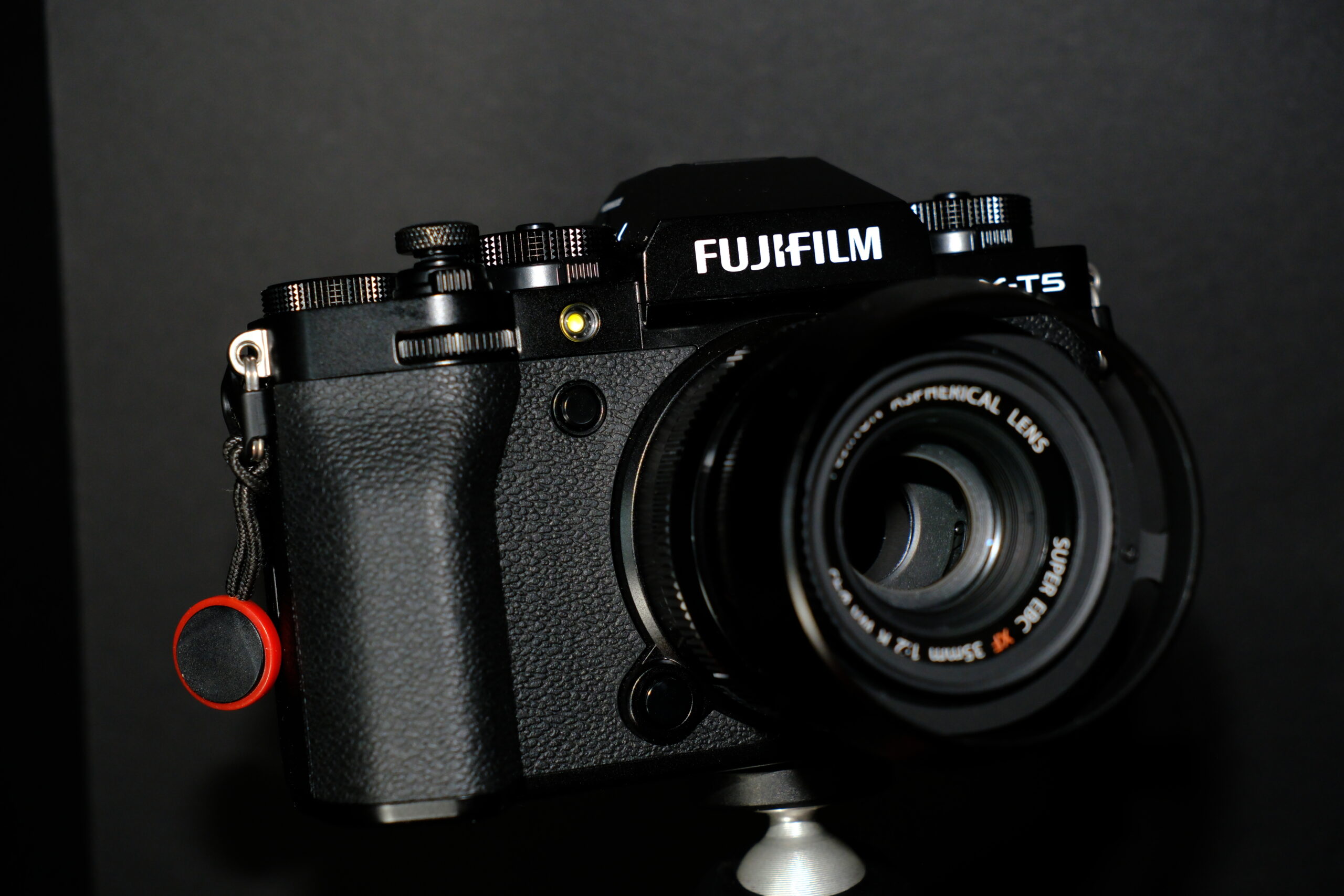
So welcome to my Fujifilm X-T5.
I was edging towards actually buying a used X-T5 and doing a proper head-to-head shoot out with the Zf, but after a brief skirmish with the X-E5 instead, it became readily apparent I’d be losing very little in terms of image quality, as it’s the same sensor in both Fuji bodies. I also knew what’s possible from an even smaller sized sensor than APS-C, the micro four thirds (MFT) sensor on the 12MP E-P2 and the E-M5, especially the 16MP version on the latter, produced excellent images and beautifully large prints, A2 in a couple of cases.
One video I watched really struck a cord with me as well, that if trying to afford a full-frame “habit” restricted the photographer travelling, then it was time to make a change. I don’t need any more photos for volume 2, I very much doubt there’ll be a third instalment, but travelling is definitely on the cards. Consequently, a visit to the usual place saw a straight swap take place, the Nikon kit. in its entirety, for the X-T5 body. Yes, I probably could have done a bit better on flea-bay, but with more hassle and I really couldn’t be bothered (it’s not the place it used to be as a private seller either).
I’d taken the 35mm f2.8 lens along when I went to get the X-T5, which I’d acquired at the photography show last month, and took a walk in the park on the way back, with the default settings enabled.
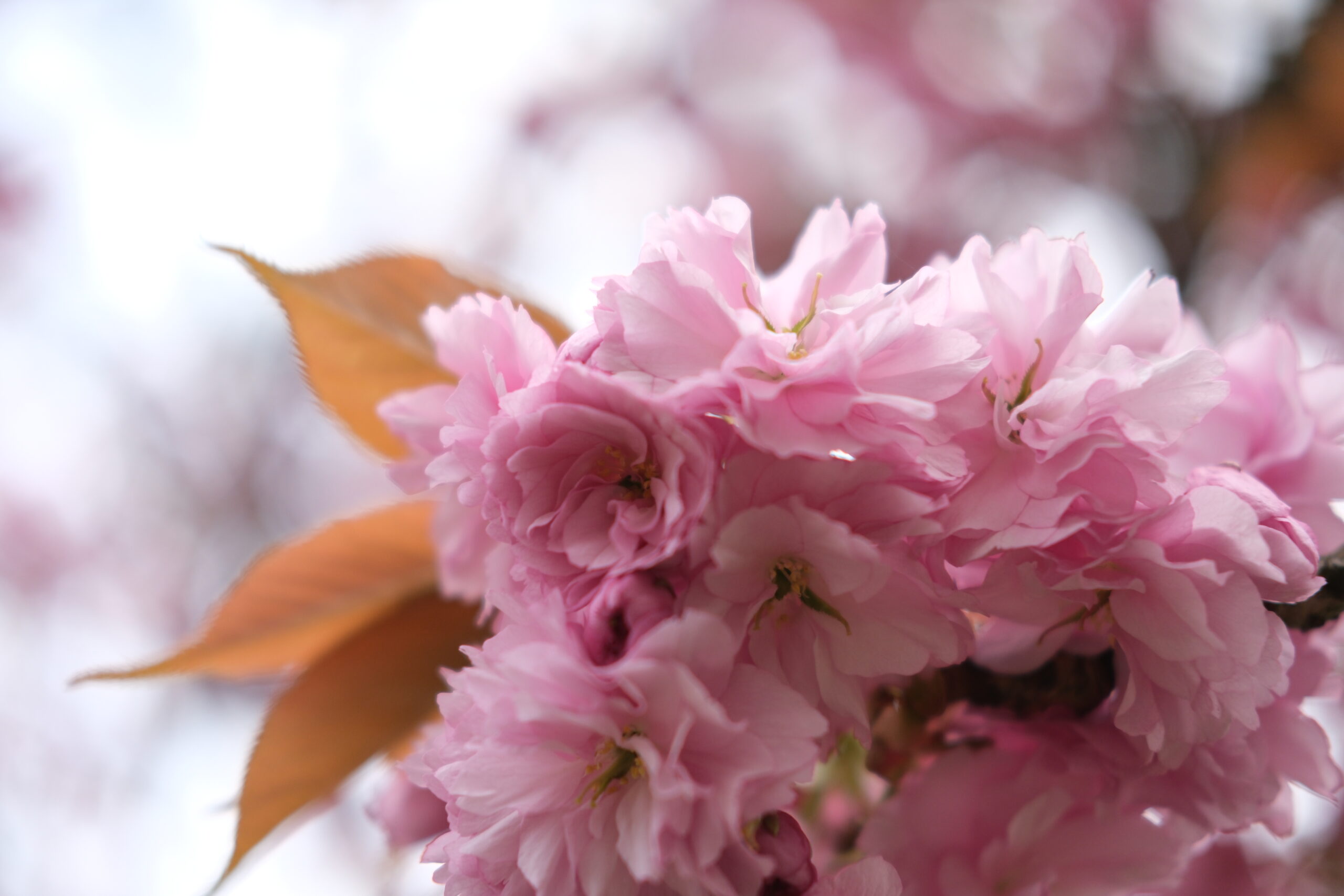
A day later and a few setting changed, especially saving as RAW plus JPEG, both memory slots filled, battery charged after hours trawling settings menus, (see below), I tried again, with my usual accomplice.

A day out in the next week or so to the Yorkshire Air Museum at Elvington will prove a sterner test. Better still, at the same time I also get to donate of a pile of 1930’s aero engineering books someone gave me, and hopefully these will help them renovate an Armstrong Siddeley Cheetah piston engine they’re working on, which I’d assume is for an Avro Anson which they have.
One thing that is all too apparent when switching camera manufacturers, is the different ways in which they implement the settings menus on them. People used to moan at Olympus for their menu structure on the MFT range, and to be honest, at first there was a bit of a learning curve. But once set and with quick menu option enabled for the bits you actually did alter when shooting, I rarely needed to delve into them.
Prior to Olympus, Canon’s menus were easy enough, but there again that was 20 years ago and a conventional DSLR, not mirrorless and things have definitely become more complicated since. Those on the three Nikons I’ve had were probably the most logical and easiest to sort out of the mirrorless cameras, but the Fuji settings are another world.
This is I suppose in part because there’s so much you can configure to get the camera to operate exactly as you want it, but some of the wording doesn’t help. Where basically all the other cameras say “metering mode”or words to that effect (so centre weighted, average or spot etc), the Fuji says Photometry and not until I looked at what it did, did the penny drop. Then there’s “greyed out” options, which you were sure weren’t greyed out seconds before, and are only enabled dependant upon other settings, leaving you to search through the manual to find out what you have to change (or change back…). This is all made more complex when you have half a dozen or so custom modes, each allowing you to make multiple changes, usually allied to implementing a film recipe.
Still, if can’t sort them out, I can see a reset settings and starting from scratch looming and 10 1/2 hours sat on a 787 reading the manual.